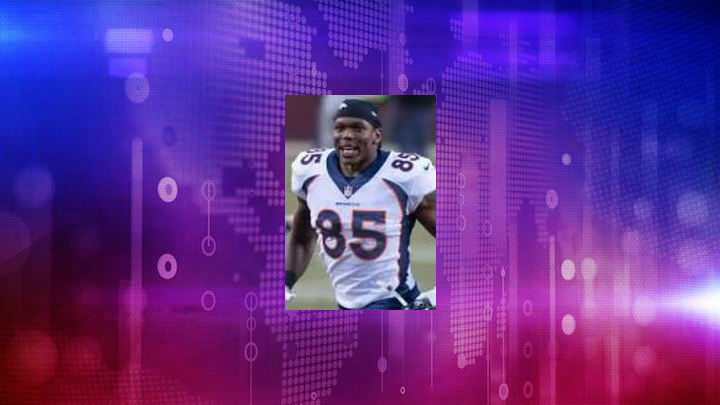
Unsung Hero: Virgil Green's True Impact on Denver Broncos Wins
In the high-stakes world of professional football, where glittering statistics and highlight-reel plays often define a player's legacy, it's easy for the quiet contributors to fade into the background. Yet, sometimes, the true architects of victory are the ones who excel in roles less glamorous, but undeniably vital. Such is the story of Virgil Green, a tight end whose impact on the Denver Broncos' success, particularly during a pivotal championship era, was nothing short of monumental. While many fans might first ponder Virgil Green's net worth or his post-NFL career, his on-field contributions tell an even more compelling tale of an unsung hero.
Drafted by the Broncos in the seventh round of the 2011 NFL Draft out of the University of Nevada, Reno—where he now serves as the tight ends coach—Green was never the primary target in the passing game. He wasn't the player grabbing headlines or dominating fantasy football rosters. Instead, he carved out a reputation as a relentless blocker, a physical presence whose absence was felt far more acutely than his statistics might suggest. It's a testament to his value that some astute observers, against all conventional wisdom, once proclaimed him the most valuable player on the Denver Broncos roster, even over legendary figures like Peyton Manning and Von Miller.
Beyond the Box Score: Virgil Green's Unseen Influence on Broncos Wins
The notion that Virgil Green, a tight end primarily known for his blocking, could be the MVP of a team featuring future Hall of Famers might sound absurd to many. It certainly raised eyebrows in "Broncos Country." However, the numbers, when analyzed with an understanding of football's intricate dynamics, don't lie. During a critical period, the Broncos' record with Green on the field was a stunning 9-0, compared to a stark 0-3 when he was sidelined with an injury. This wasn't mere coincidence; it was a clear indication of a foundational player whose contributions were often overlooked by the casual fan.
The evidence wasn't just statistical; it came directly from the mouths of those who understood the team's pulse best. After a tough Week 3 loss to the Seattle Seahawks, both head coach John Fox and quarterback Peyton Manning publicly lamented the struggles of the offense without Green. While some dismissed these comments as humor or misdirection, they were, in fact, an honest appraisal of Green's role. His presence ensured a crucial element of balance, particularly in the running game.
How did one player make such a profound difference? Green's exceptional blocking prowess was the engine that powered the Broncos' ground attack. He consistently opened crucial running lanes for backfield talents like C.J. Anderson, allowing them to gain momentum and break tackles. When Green was on the field, the offensive line seemed to coalesce, finding its rhythm and establishing dominance at the point of attack. This balance was especially critical for a pass-heavy offense led by Peyton Manning. With a credible running threat, defenses couldn't simply drop everyone into coverage, creating more opportunities and space for Manning's passing game to thrive. Green's ability to consistently execute his blocking assignments transformed the Broncos' offensive identity, making it more versatile, resilient, and, ultimately, more effective in securing those vital victories.
The Versatile Tight End: An Underutilized Talent?
While Virgil Green excelled in his primary blocking role, he was also, by all accounts, an incredible athlete with a broader skill set. He possessed the capability to catch passes and run with the ball, skills that were occasionally hinted at but rarely fully unleashed. One memorable instance comes from an AFC Championship Game against the New England Patriots, where Green took a draw play for a six-yard gain on 2nd-and-7. This seemingly small play underscored his potential for more diverse contributions, demonstrating a versatility that perhaps wasn't fully tapped into during his Broncos tenure.
Green's willingness to embrace his role, even if it meant sacrificing personal statistics for team success, epitomized the ideal team player. He did what he was told, executed his assignments flawlessly, and never complained. This unselfish approach fostered a winning culture, proving that championships are built not just on star power, but on the unwavering dedication of every player to their specific role. His quiet leadership and consistent effort provided a bedrock for the team's overall performance, allowing other high-profile players to shine.
From Gridiron to Sidelines: Green's Enduring Legacy and Financial Speculation
Virgil Green's journey didn't end with his playing career. Born August 3, 1988, he transitioned seamlessly into coaching, returning to his alma mater, the University of Nevada, Reno, as the tight ends coach in 2023. This move highlights his continued passion for the game and his desire to mentor the next generation of football talent. His experience as an unsung hero and a dedicated team player undoubtedly provides a unique and invaluable perspective for aspiring young athletes.
For a player of his impact, it's natural for fans and followers to wonder about Virgil Green's financial standing. Discussions around Virgil Green net worth often crop up, with some estimations putting it around $109 million. It's crucial to understand that such figures are typically estimations based on a combination of social factors, public salary data, and perceived endorsements, and a player's actual income can vary significantly. Factors like NFL salaries, endorsements, business ventures, and even social media presence (where ad costs can be tied to follower counts) contribute to these estimations. For athletes, financial success extends beyond their playing days, encompassing astute investments, post-career earnings, and, in Green's case, a successful transition into coaching.
Lessons from an Unsung Hero: What Green's Career Teaches Us
Virgil Green's career offers invaluable lessons for both aspiring athletes and sports enthusiasts. Firstly, it underscores the profound importance of "role players" in championship-caliber teams. Not every player needs to be a superstar to be an MVP; sometimes, the most valuable contributions come from those who master their specific responsibilities, enabling others to excel. His story is a powerful reminder that true value often lies beyond the highlight reel, in the gritty, fundamental aspects of the game.
Secondly, Green embodied the epitome of a team-first mentality. His willingness to consistently perform demanding, less-celebrated tasks without complaint made him indispensable. In an era often dominated by individual statistics and personal brands, Green's career stands as a testament to the power of selflessness and dedication to a collective goal. This ethos undoubtedly serves him well in his current role as a coach, where fostering team chemistry and individual growth are paramount.
Finally, Green's journey from a seventh-round draft pick to an integral part of a Super Bowl contender, and now to a college coach, demonstrates resilience and adaptability. His ability to transition from player to mentor, leveraging his on-field experience to guide young talent, speaks volumes about his character and enduring commitment to football. For those interested in his post-playing career trajectory, delving into Virgil Green: From NFL Tight End to College Coaching Success provides deeper insights into this exciting new chapter.
Virgil Green may not be the first name that comes to mind when recalling Denver Broncos legends, but his true impact on the team's success is undeniable. He was the unsung hero, the quiet force that provided balance, stability, and the crucial groundwork for victory. His career serves as a powerful reminder that greatness in sports, and in life, often lies not just in the spectacular, but in the consistent, dedicated performance of vital, though often overlooked, roles.
